
What is a dermal piercing?
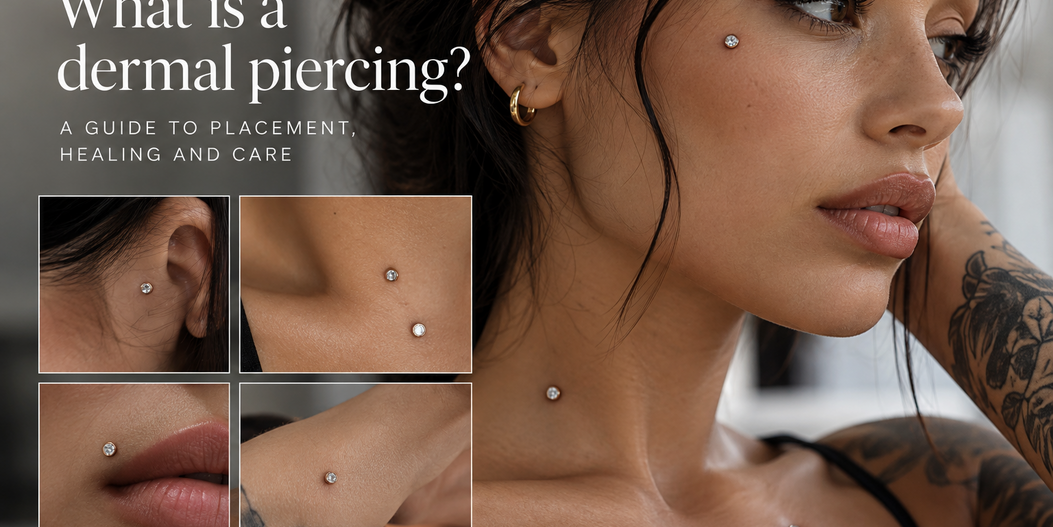
A dermal piercing, also called a microdermal, is a unique form of body modification with only one visible point on the skin. Unlike classic piercings, a dermal piercing has no obvious entry and exit point. A small titanium anchor is placed under the skin, and an interchangeable top is attached to it.
This creates the iconic effect of a piece of jewellery that seems to float directly on the skin.
At Piercings Works, dermal piercings have for years been among the most special and technically refined placements in the modern world of body art.
The illusion of the floating stone
Picture this: the evening light catches a small sparkle on a cheekbone, breastbone or lower back. No visible ring. No bar. Just a subtle stone that seems to float on the skin.
That's exactly why dermal piercings have become so popular all over the world.
They combine minimalism with futuristic elegance and make placements possible in spots where classic piercings simply can't be done.
Dermals are often chosen by people looking for:
- subtle body art
- luxurious minimalist aesthetics
- unique placements
- symmetrical accents
- a refined, almost mysterious look
How exactly does a dermal piercing work?
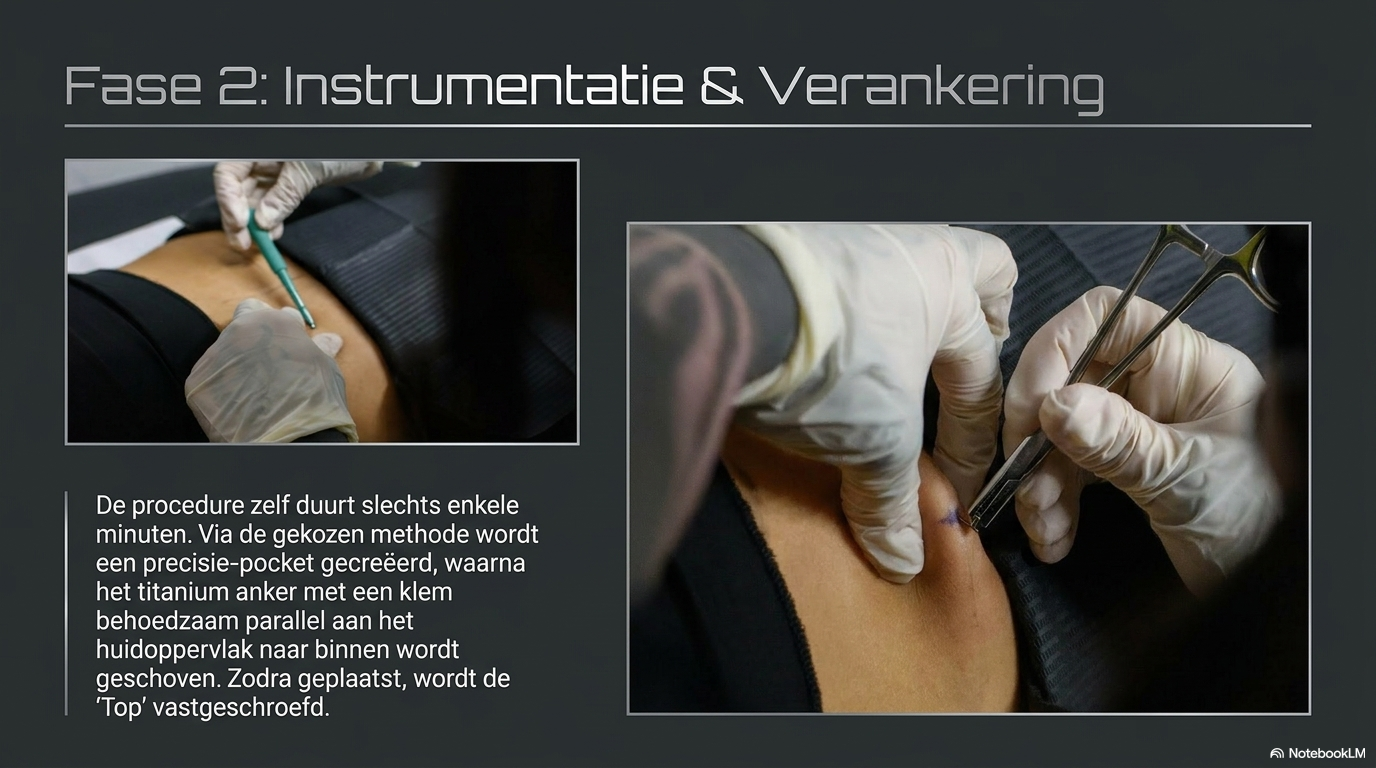
A dermal piercing consists of three parts:
1. Anchor (base)
A small titanium plate that is placed under the skin.
2. Post
The small bar that remains visible through the skin.
3. Top
The visible jewellery, such as:
- CZ stones
- opal
- titanium discs
- gold tops
- minimalist balls
Professional placements almost always use implant-grade titanium ASTM F-136 because of its biocompatibility.
Why titanium is so important
Dermal piercings are constantly under tension from the skin. That's why the choice of material is extremely important.
Titanium:
- contains no nickel
- is lightweight
- puts less pressure on the tissue
- lowers the chance of irritation
- is used for implants worldwide
At Piercings Works Amsterdam we pay a lot of attention to high-quality materials and anatomy-led placements.
The healing process of a dermal piercing
Initial healing takes on average:
- 1 to 3 months
Full stabilisation of the anchor, however, can take:
- 6 months or longer
During this process, skin tissue grows through the small openings in the anchor. This creates a biological anchoring system in which the skin literally stabilises the titanium.
So the body works as a kind of ‘living cement’ around the jewellery.
Does a dermal piercing hurt?
A dermal piercing is often described as:
- short but intense
- more pressure than lasting pain
- over more quickly than many people expect
The experience depends on:
- location
- skin tension
- the piercer's experience
- stress levels
- individual pain threshold
You can read more about piercing pain on the Piercings Works blog: https://www.piercingsworks.com/en/blogs/blog-news/
Popular spots for dermal piercings
Breastbone (sternum)
One of the most elegant and popular locations.
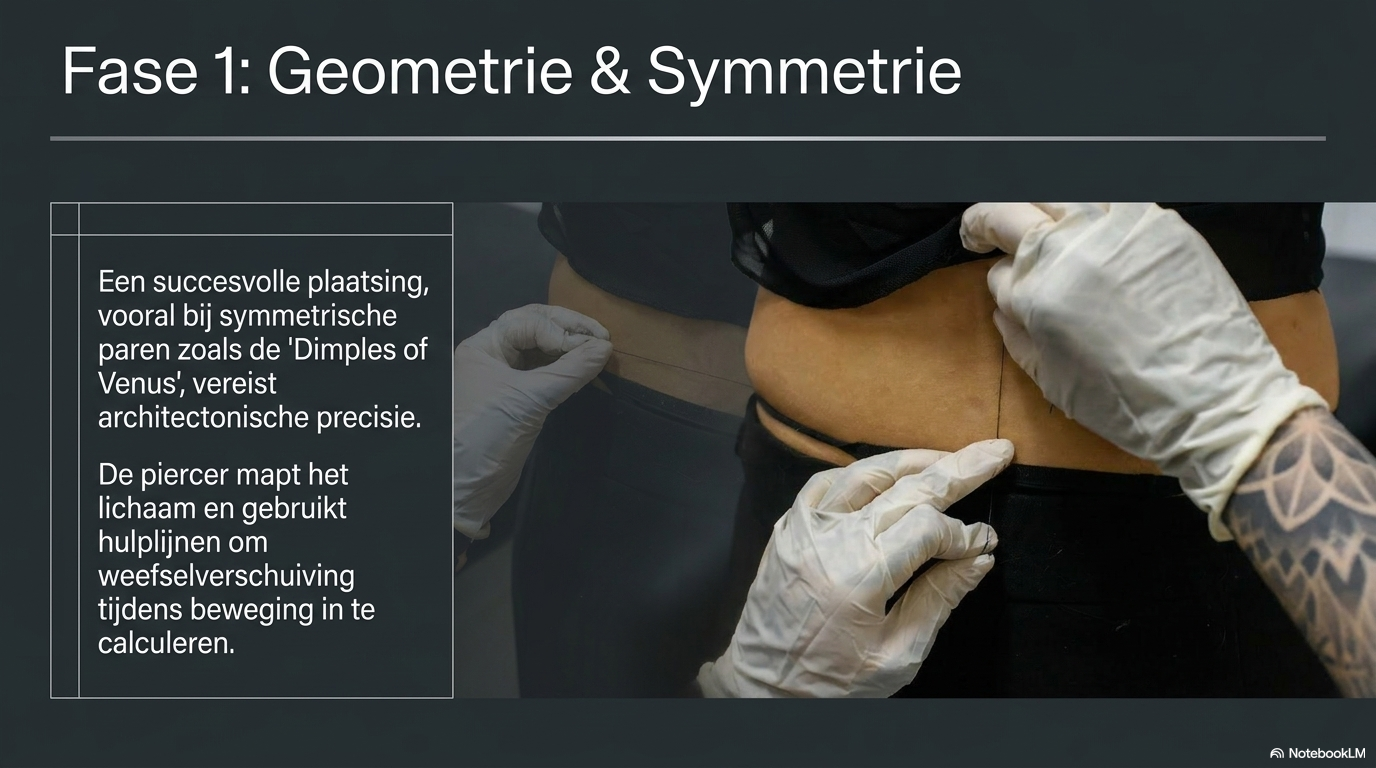
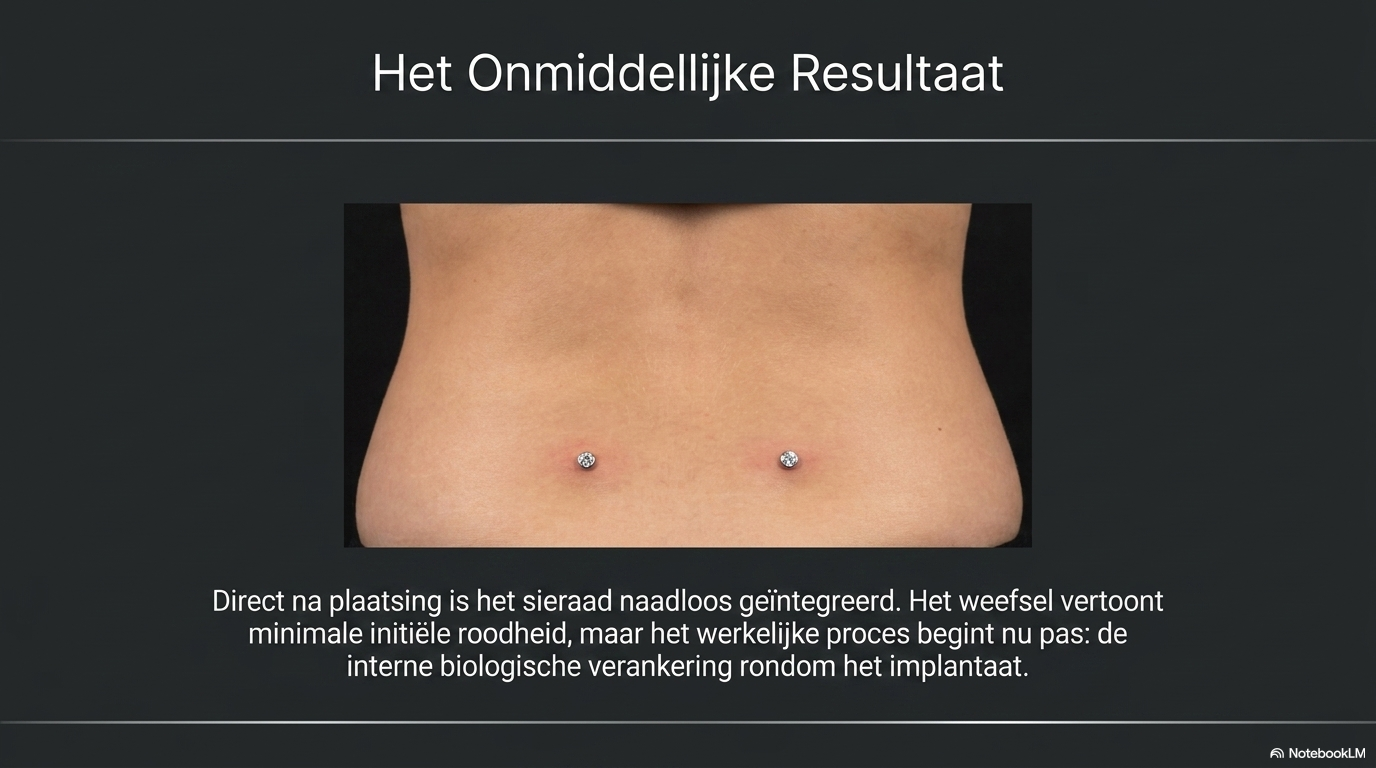
Dimples of Venus
The dimples in the lower back create a symmetrical, luxurious effect.
Cheekbone
Gives a futuristic, eye-catching look.
Collarbone
Subtle, stylish and loved by fans of minimalist jewellery.
Neck or wrist
Possible, but more sensitive to movement and rejection.
How movement affects dermals
Dermal piercings react strongly to movement and pressure.
The more an area moves:
- the greater the chance of irritation
- the higher the risk of rejection
- the harder long-term stabilisation becomes
That's why stable areas such as the:
- breastbone
- lower back
- collarbone
are often more successful than spots such as the:
- hands
- wrists
- neck
- hip areas with a lot of pressure from clothing
What is rejection?
Technically speaking, a dermal piercing is a foreign object to the body.
Sometimes the body slowly tries to push the anchor out. This is called rejection.
Signs can include:
- the anchor becoming more and more visible
- redness
- thinning skin
- constant irritation
- a change in angle
How long a dermal lasts differs from person to person.
That doesn't automatically mean the placement was done badly. The body keeps changing.
A dermal's biggest enemy: getting caught
Dermals are surprisingly sturdy, but at the same time sensitive to pulling.
Especially risky:
- towels
- tight sportswear
- bra straps
- necklaces
- backpacks
- belts
One wrong movement can damage the anchor or pull it out completely.
That's why professional studios often advise:
- sleeping carefully
- temporary plasters
- loose clothing
- extra care during sport
How do you look after a dermal piercing?
Good aftercare is crucial.
General guidelines:
- clean with sterile saline solution
- touch the piercing as little as possible
- avoid make-up around the piercing
- sleep carefully
- avoid pressure or pulling
If irritation occurs, it's important not to experiment yourself with harsh products.
Can you change a dermal piercing?
Yes, the top of a dermal piercing is usually interchangeable.
This means you can later switch between:
- little stones
- opal
- gold-coloured tops
- minimalist discs
- luxury designs
The anchor under the skin normally stays in place.
Is a dermal piercing permanent?
No.
Although some dermals last for years, they're generally considered semi-permanent.
Factors that affect how long they last:
- anatomy
- choice of material
- the piercer's experience
- everyday movement
- aftercare
- lifestyle
Why experience matters so much with dermals
A dermal piercing is not a standard piercing.
Placement requires:
- anatomical insight
- perfect angle selection
- minimal tension
- knowledge of skin dynamics
- precision
Small placement errors can later have big consequences for stability and healing.
That's why many people deliberately choose experienced studios such as Piercings Works Amsterdam, where anatomy and placement come first.
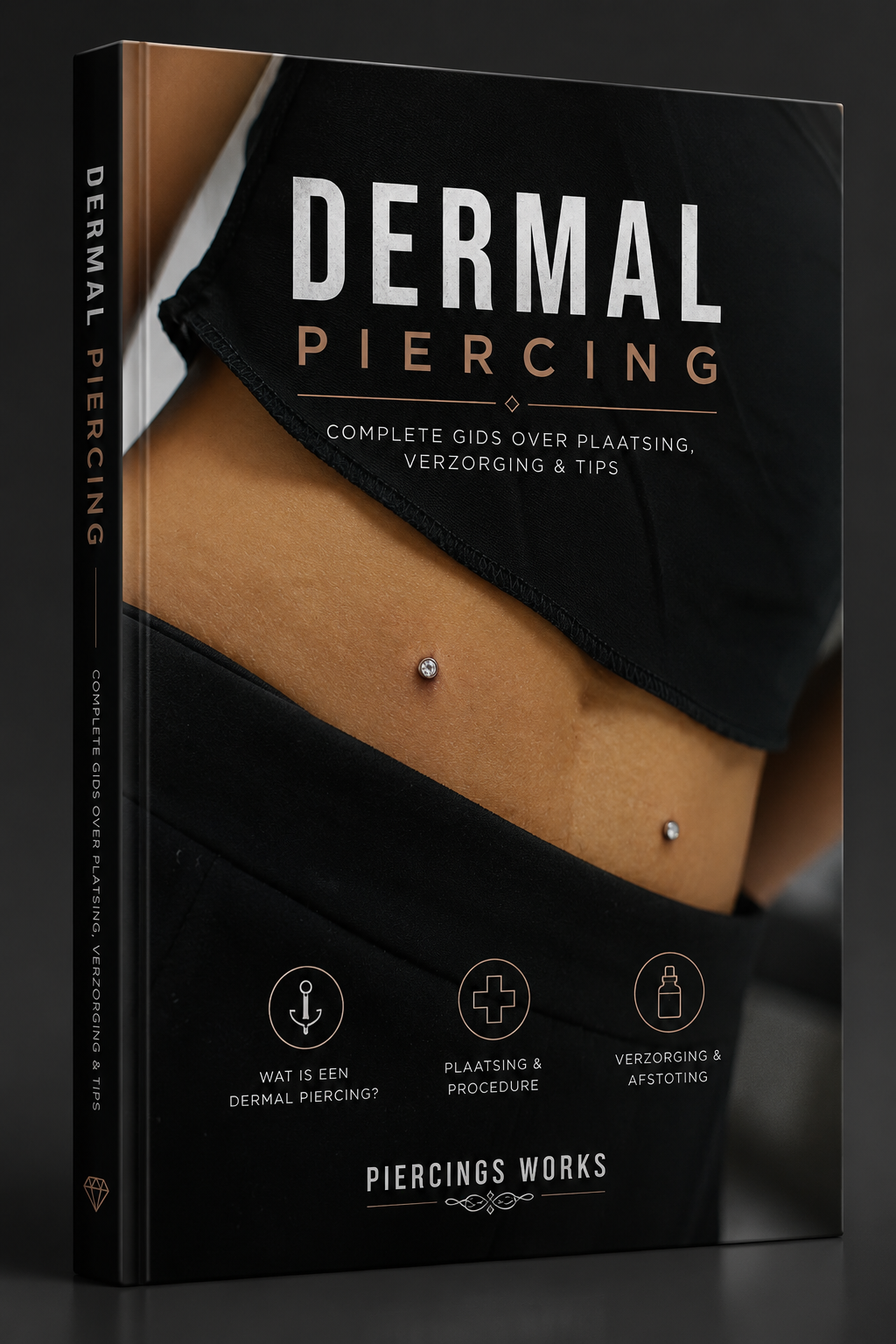
Download the Dermal Piercing e-book (in Dutch)
Want to learn even more about:
- placement
- aftercare
- healing
- risks
- materials
- rejection
- professional techniques
Then you can download the complete e-book here:
What is a dermal piercing? (e-book in Dutch)
Conclusion
A dermal piercing is one of the most fascinating forms of modern body art.
It combines technique, anatomy and aesthetics in a piece of jewellery that literally seems to float on the skin.
But behind that minimalist beauty there's also responsibility:
- good aftercare
- the right choice of material
- anatomical placement
- protection from pressure and movement
If you're willing to take on that responsibility, you get a unique form of self-expression that simply isn't possible with traditional piercings.
Want to read more about piercings?
Also take a look at:
- Piercing aftercare blogs: https://www.piercingsworks.com/en/blogs/blog-news/
- Book a piercing in Amsterdam: https://www.piercingzetten.com/
- Piercings Works YouTube: https://www.youtube.com/@PiercingsWorksAmsterdam