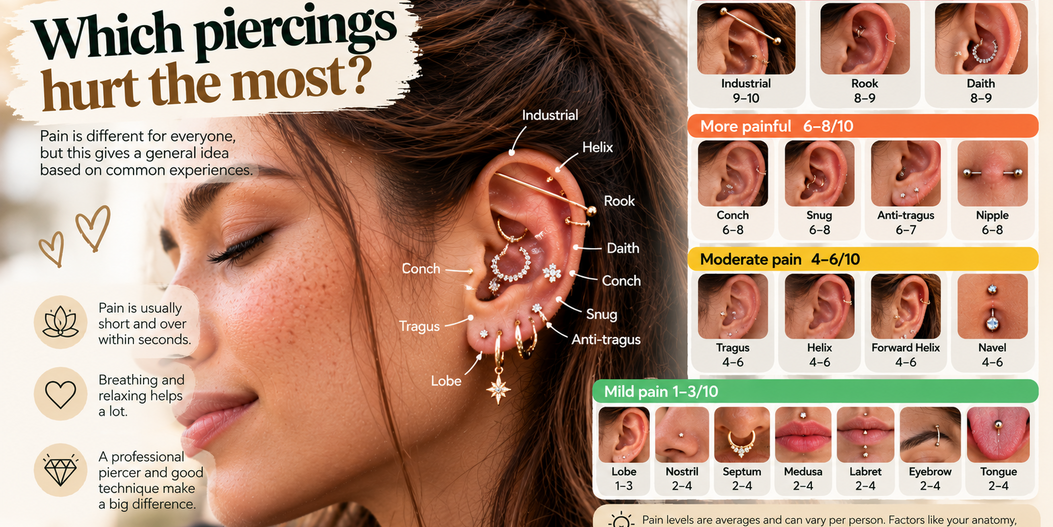

Let's be honest: you're going to feel something. How much pain and discomfort you experience, however, differs from person to person. In general, some piercings are felt as more painful than others. This has to do with things like the thickness of the skin, nerve endings and how well you handle pain.
In this article we go through the most popular piercings and roughly what you can expect.
The most painful piercings
Remember that the way we experience pain differs from person to person and that everyone has a different pain threshold. What one person barely notices can mean another really has to grit their teeth for a moment. These piercings are known for hurting the most, so if you want to bring someone along to hold your hand, nobody will say a word about it.
Daith 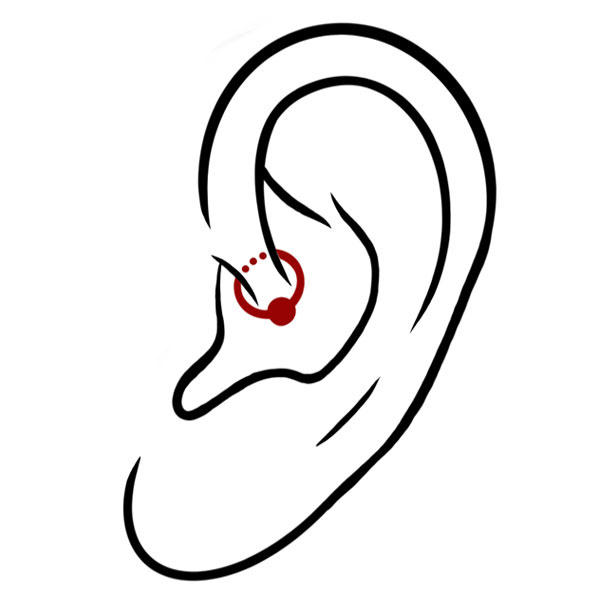
A daith piercing is a hole in the piece of cartilage in your inner ear, above the ear canal. Because of the awkward position and the hardness of the tissue, having this area pierced can be painful. That's because it takes longer to pierce through this thick piece of cartilage, and care has to be taken that the piercing is positioned correctly.
But don't let that stop you from creating the look you want. Some people with migraines choose a daith hoping it will help, but there is no proven medical benefit of a daith or rook piercing for migraine.
Rook
Although it's done less often than the other piercings on this list, the rook can look amazing when combined with the right jewellery. Because of where the piercing sits and the thickness of the cartilage the needle has to go through, it can be quite painful.
Conch
With this piercing the needle has to be pushed through the outer cartilage of the ear's shell, which means the pain can be fairly sharp and intense. But remember: you only feel pain for a few seconds for a piercing that lasts a lifetime.
Industrial
The industrial piercing is unique because it goes through two parts of the ear to create a very distinctive-looking piercing. Unfortunately, piercing two spots also means two short moments of pain.
Dermal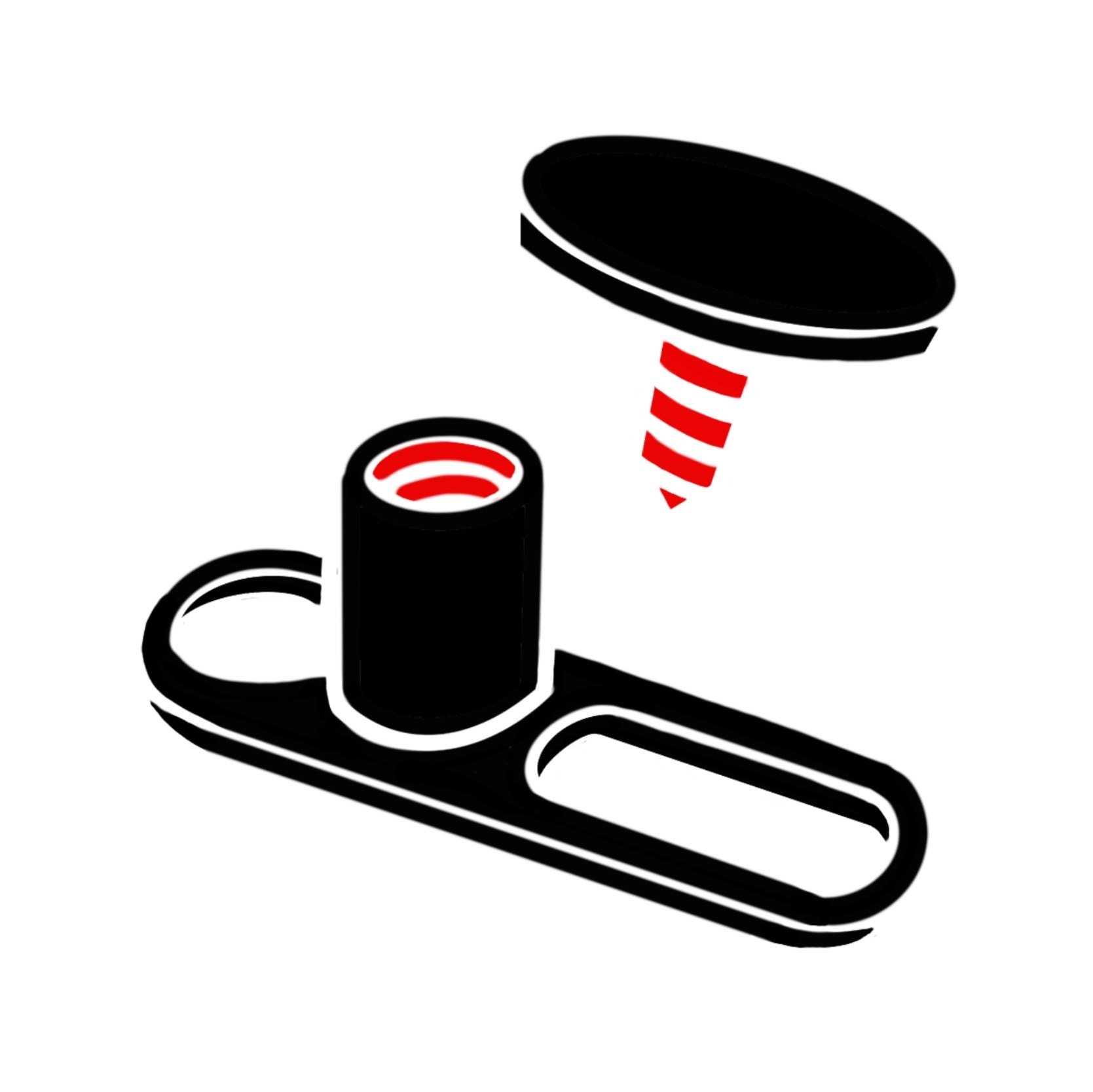
A dermal is a small piercing that sits on the flat surface of your skin. Because there are no entry and exit points, the piercer has to remove a tiny bit of skin (this is usually done with a dermal punch rather than a needle) to anchor the plate in the body.
Medium: a bit more sensitive
Helix 
The helix piercing is placed in the rim of the cartilage at the top of the ear. Although it's not one of the most painful piercings, this one can still pinch quite a bit because of the hard, stiff cartilage the needle has to go through. It's over in no time, though, and you'll hardly notice it by the time you leave the studio.
Nipple
It goes without saying that the nipples are sensitive: they have lots of nerve endings, which is why having one or both nipples pierced can hurt. How much varies from person to person, and for many people it's more nerve-racking than painful.
Lip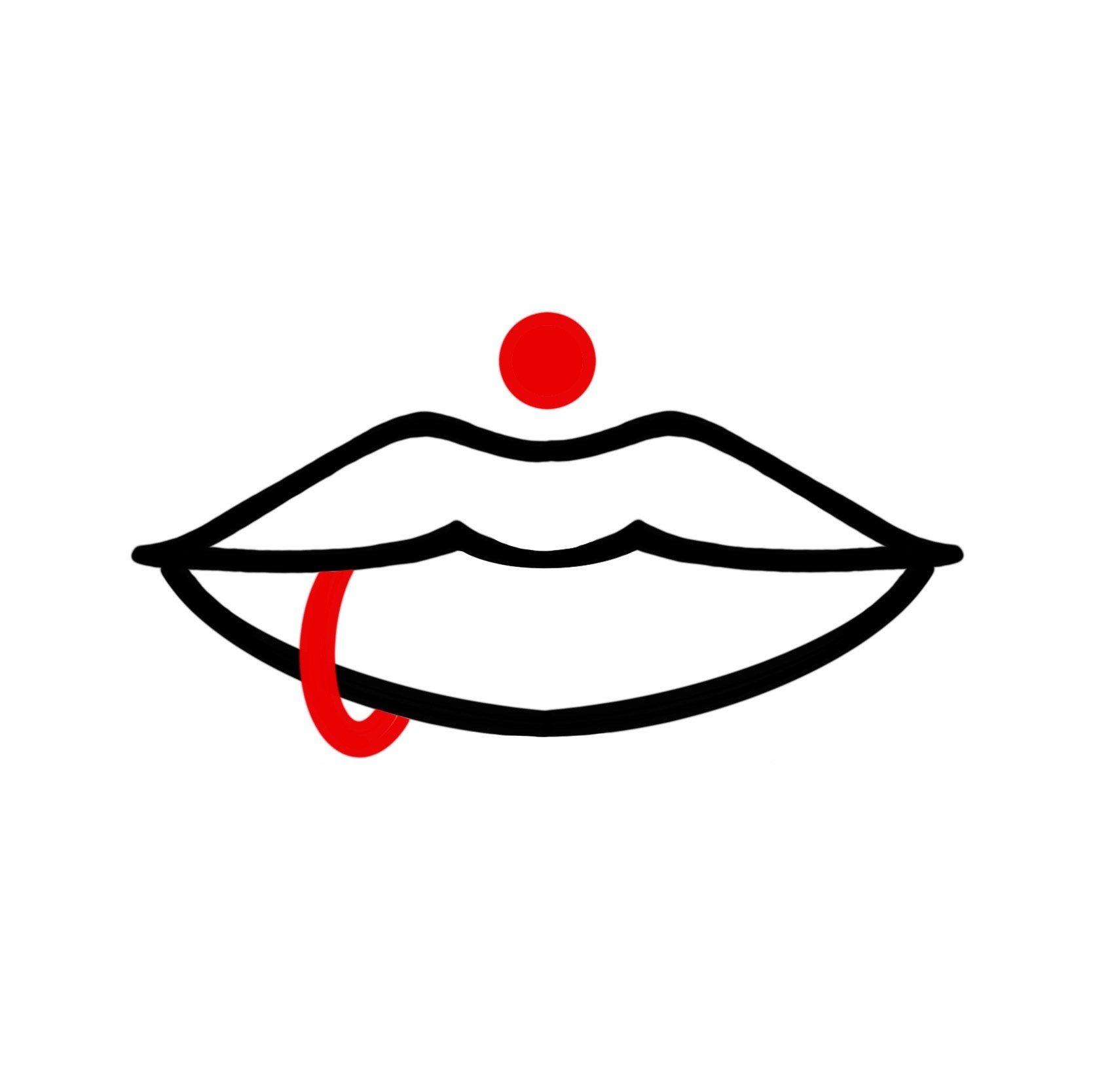
Lip piercings are a bit more sensitive than an earlobe, but many people are surprised to find out that they actually aren't that painful. The area around your mouth is quite fleshy, which makes for a more manageable experience.
Not to mention the biggest advantage of lip piercings: their growing variety of styles, including spider bites, labret, Monroe and many more! That way you can create an individual look with manageable discomfort.
Nostril
Nostril piercings are in high demand. A simple nose piercing with a stud or a ring is quick to do and usually heals without problems. You can expect a recovery period of 4–6 months.
Have you got a cold? Then it's best not to get a nose piercing. Wait until you've fully recovered, because blowing your nose while trying to keep it clean can be a nuisance and increase your risk of infection.
Are you someone who doesn't cope well with pain? Rest assured: many people find getting these piercings unpleasant at most, and they're really not as bad as you might think!
The least painful piercings:
Earlobe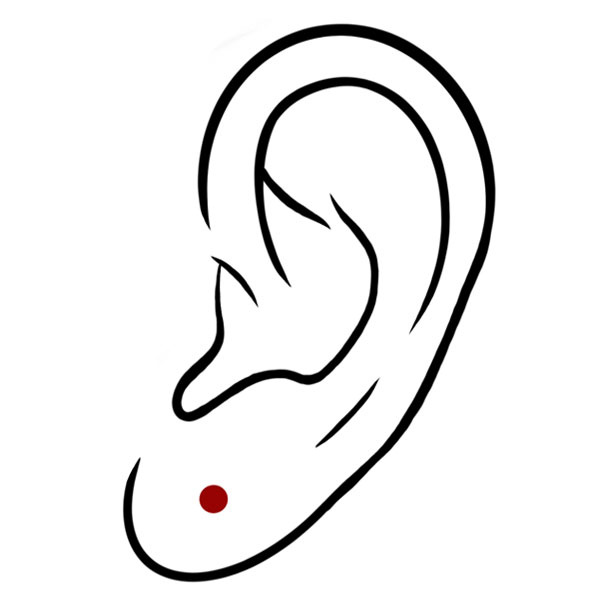
Earlobe piercings are the most common piercings. People young and old choose ear piercings every day. Earlobe piercings are relatively painless because they're placed in a fleshy piece of skin without cartilage.
The piercing is simple and quick, and it usually heals fairly well. If you follow your piercing studio's aftercare instructions and clean your new jewellery twice a day with a saline solution, your piercing will be fully healed in just 6 weeks. At that point you can change your jewellery as often as you like!
Septum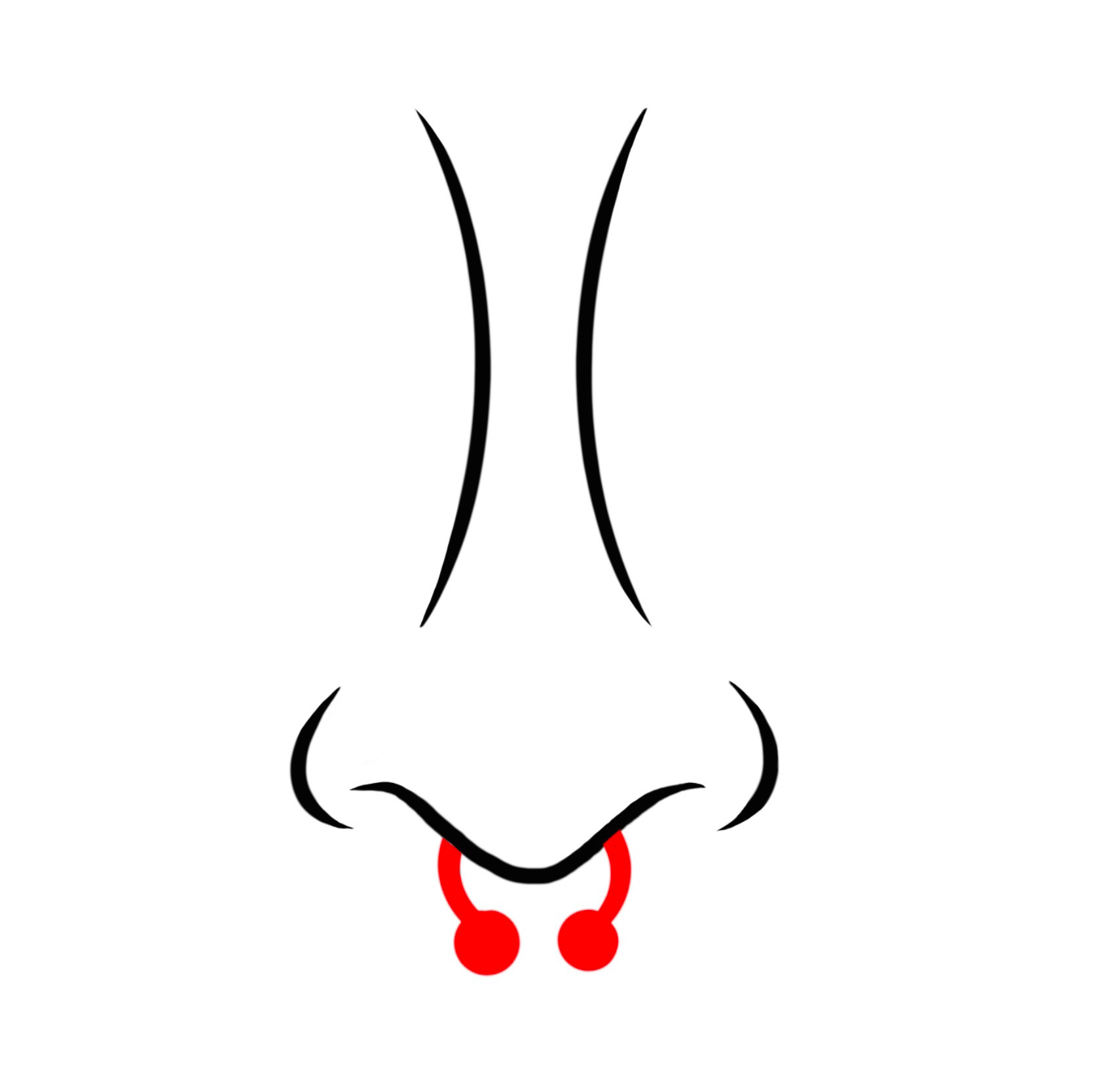
Many people expect a septum piercing to hurt a lot, but when it's placed correctly it's usually mild. These piercings can look fantastic combined with the right jewellery, and for most people the piercing itself feels like a quick pinch.
Of course, everyone's pain threshold is different, so some people feel it more than others. There's only one way to find out.
Navel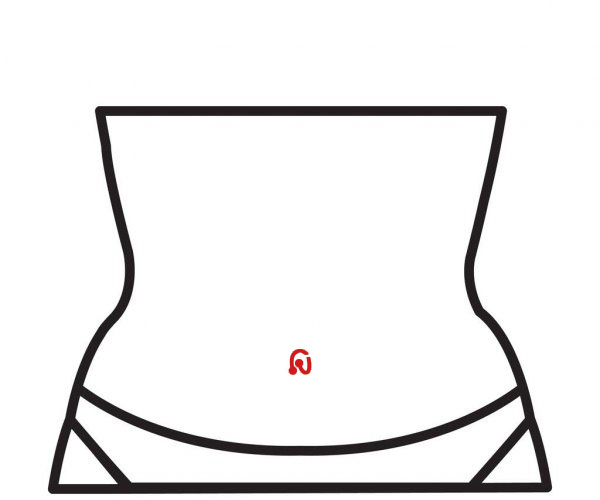
Navel piercings are still very popular, probably the second most common piercing after earlobe piercings. Navel piercings look cute and sexy and don't cause too much pain. Most people say getting one feels like a small prick.
Prepare well and wear loose, comfortable clothing to the piercing studio. A tight-fitting top can cause some unnecessary pain and discomfort.
Eyebrow
Because only a small amount of skin needs to be pierced for this piercing, the eyebrow piercing is fairly painless. However, this area of skin is still full of sensitive nerve endings, so you'll probably feel a short, sharp pinch for a few seconds.
Tongue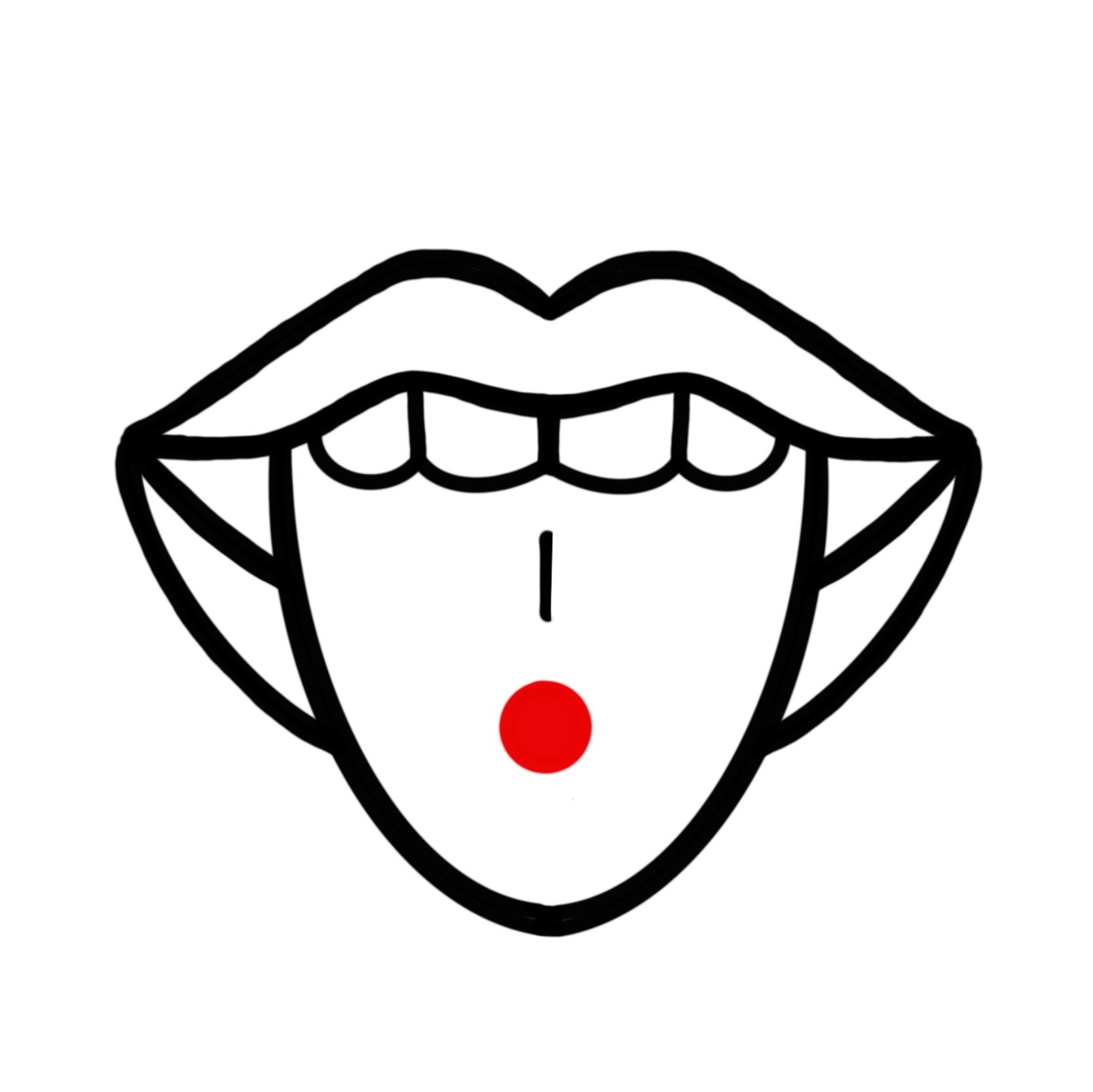
When people think of tongue piercings, they usually imagine pain and tears. The funny thing is that although this seems to be the one piercing where everyone shudders at the thought of a needle going through that big fleshy muscle in their mouth, it's actually one of the least painful piercings you can get!
Do all piercings hurt?
This depends largely on each person's pain threshold. What's painful for you may be a piece of cake for someone else, and vice versa. So everyone experiences it differently.
The location of the piercing also plays a big part.
An earlobe piercing, for example, hurts much less than a tragus piercing, because with a tragus piercing the needle has to go through cartilage.
On top of that, it's important to remember that the piercing itself is usually done in a flash, before you've even had time to feel any pain. You'll wonder what on earth you were worried about!
In general, you'll experience more irritation in the form of pain, swelling and tenderness while your piercing is healing.
How long do piercings hurt?
The piercing itself won't hurt for long. You'll probably feel a brief sensation of pressure and then a few minutes of pain at most. Of course, this depends largely on where your piercing is.
You can, however, expect some pain after the piercing. You play an important part yourself in how quickly your piercing heals. If you look after your new piercing well and follow your aftercare instructions, any discomfort will soon be gone.
According to most piercers, the pain eases after about a week. Unless the piercing is in a spot where it's constantly irritated, such as your lip or nose, or if you keep knocking it, for example during sport.
If you're worried or wondering whether your piercing should still be painful, or if you're concerned about a possible inflammation, go back to the piercing studio and ask the staff for their professional opinion.
After the piercing
You've just had your piercing done. That's the scary part over with! But now the real work begins. Aftercare for your piercing is very important. Make sure you understand all the aftercare instructions before you leave the studio.
Already left and not quite sure what to do next? Don't hesitate to call and ask questions. Your piercer is used to this and won't think you're bothering them. Better safe than sorry.
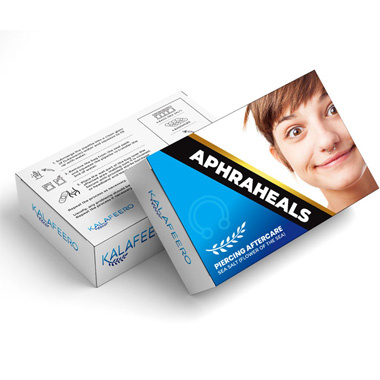
Aftercare for most piercings is usually quite simple. Clean the area twice a day with a sea salt solution, and if you do need to touch your new piercing, always wash your hands first. Our favourite piercing aftercare is the AphraHeals aftercare spray.
Remember: the less you touch it, the less chance you give bacteria to get into the wound. Make sure you wear loose clothing if the piercing is in a spot that's covered by clothes.
Want a new piercing? You can now book your appointment with us!
Get pierced at a time that suits you! You can pay straight away, so you don't have to think about it during your appointment.
AphraHeals - Piercing Sea Salt Patch Against Inflammation
At Piercings Works in Amsterdam, a studio with more than 2,000 reviews, we're often asked: “Do piercings hurt?” The answer depends on your personal pain threshold, the location of the piercing and how well you look after your new jewellery while it heals.
Our piercers only use sterile, professional techniques and take the time to make you feel comfortable – even with the more challenging piercings such as the industrial or daith. Thanks to years of experience, we know exactly how to make the process as smooth and pleasant as possible.
Whichever piercing you choose, at Piercings Works you always get:
-
Honest advice about pain, healing and suitability
-
Professional placement by experienced piercers
-
Clear aftercare instructions, so your piercing heals healthily